October 27, 2026 · Admin
Scalp Care Trends 2026 That Actually Matter
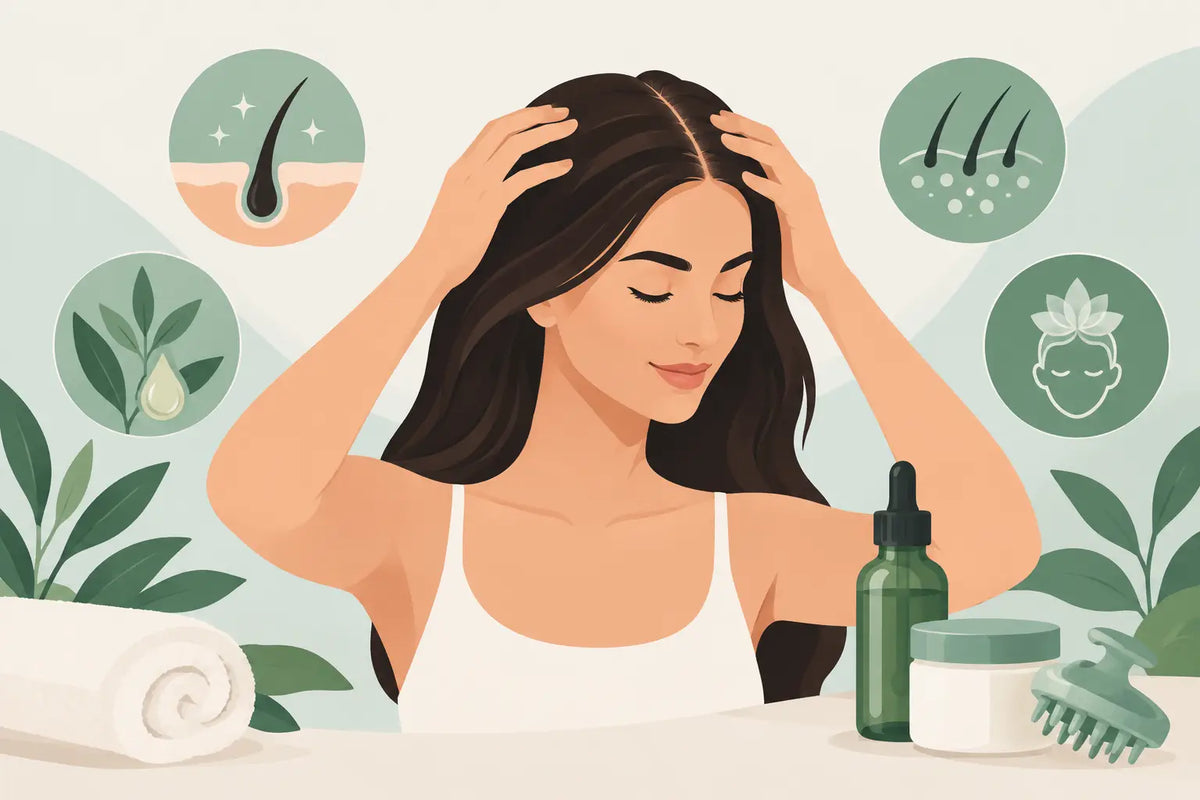
Your scalp is becoming part of the beauty routine, not an afterthought between shampoo days. The most meaningful scalp care trends 2026 are moving away from heavy oils, complicated protocols, and aggressive promises. In their place: lightweight daily care, smarter ingredient standards, and routines designed to make a healthier-looking scalp feel achievable.
For anyone noticing less volume, more visible scalp, seasonal dryness, or hair that simply looks less dense than it used to, this shift is welcome. The goal is not to chase a miracle. It is to create the conditions for scalp comfort, polished hair appearance, and confidence through consistency.
Scalp Care Trends 2026 Put the Scalp First
For years, hair care has focused primarily on the visible lengths: shine, softness, color protection, and styling. Those things still matter, but consumers are increasingly recognizing that the scalp is skin. It has a barrier, hydration needs, oil balance, and sensitivities that can influence how comfortable hair feels at the root.
That realization is changing the category. Rather than treating scalp care as an occasional detox or a reaction to discomfort, more people are building it into their everyday grooming. Think of it as skincare applied with a different goal: supporting a balanced, refreshed-looking environment where hair begins.
This does not mean a shelf full of treatments is necessary. In fact, one of the clearest trends is routine reduction. People want a few products that feel good to use, layer easily with existing shampoo and styling habits, and do not leave the roots oily by noon.
Lightweight Daily Formulas Are Replacing Heavy Rituals
The old idea that effective scalp care must feel intensely oily or medicinal is losing ground. Heavy oils can be enjoyable for some hair types and occasional pre-wash rituals, especially on dry lengths. But they are not always practical for daily use, fine hair, active lifestyles, or anyone who prefers to wash less often.
In 2026, water-light tonics, serums, and scalp essences are becoming the more natural fit for modern routines. A non-greasy finish matters because consistency matters. If a product weighs down the roots, transfers to a pillowcase, clashes with styling products, or makes hair look unwashed, it is less likely to become a lasting habit.
The strongest formulas will balance sensorial elegance with purposeful ingredients. They should absorb cleanly, feel comfortable on the scalp, and fit into a morning or evening routine without requiring a full reset of the rest of your hair care.
Barrier Care Becomes a Scalp-Care Essential
Barrier care has been one of skincare's defining conversations, and it is now shaping scalp care in a more useful way. A comfortable scalp is not necessarily one that feels stripped, tingling, or intensely “clean.” It is one that feels hydrated, balanced, and supported after regular cleansing, heat styling, dry indoor air, sweat, and changing weather.
Ingredients associated with hydration and comfort are gaining more attention for that reason. Dexpanthenol, for example, is valued in cosmetic formulas for its conditioning and moisture-supporting qualities. Niacinamide is another familiar skincare ingredient that fits naturally into scalp-focused routines centered on a healthier-looking skin environment.
The trade-off is that gentler does not mean careless. Even elegant formulas can be too much when layered with multiple exfoliants, fragranced products, or frequent clarifying washes. If your scalp feels tight or reactive, simplify first. A clean routine often delivers more than a crowded one.
The New Definition of Clean Is More Specific
“Clean” is becoming less about vague marketing and more about formula experience and transparency. Consumers want to know what is in a product, why it is there, and whether it suits the way they actually live.
For many, that means choosing daily scalp care without heavy oils, silicones, drying alcohols, parabens, or drug-based actives. It can also mean looking for a texture that complements rather than competes with blow-drying, air-drying, protective styles, and professional grooming.
No single ingredient policy suits everyone. But the expectation is clear: premium scalp care should explain its choices and feel refined from the first application to the end of the day.
Ingredient Literacy Is Getting Smarter
The next phase of ingredient-led hair care is not about memorizing the longest possible label. It is about understanding function. Consumers are asking better questions: Is this ingredient included for scalp hydration? Does it support a refreshed feel? Will it leave residue? Is the formula designed for daily use?
Caffeine remains popular in scalp tonics because it is familiar, lightweight, and easy to incorporate into a leave-in routine. Rosemary extract continues to appeal to people who want a botanical element, although a well-formulated scalp product should never rely on a single trend ingredient or an overpowering essential-oil sensation to signal performance.
One emerging ingredient conversation centers on 2-Deoxy-D-Ribose, also known as 2dDR. It reflects a broader interest in cosmetic ingredients that feel science-forward without turning the bathroom counter into a medical cabinet. RIBOREGEN Scalp Revitalizing Tonic pairs 1% 2dDR with caffeine, niacinamide, dexpanthenol, and rosemary extract in a Korean-made, lightweight formula designed to support scalp vitality and fuller-looking hair as part of a consistent routine.
The most credible ingredient stories will remain measured. Cosmetic scalp care can support the look and feel of the scalp and hair, but it should not be framed as a guaranteed answer to every cause of shedding or thinning. Significant, sudden, or persistent changes in hair or scalp health deserve individual guidance from a qualified healthcare professional.
Personalized Routines Will Beat One-Size-Fits-All Advice
Scalp care trends 2026 also reflect a more realistic view of personalization. Someone with fine, quickly oily hair has different preferences from someone with dense curls, a dry-feeling scalp, color-treated hair, or frequent workouts. The best routine is not the most elaborate one. It is the one you can use comfortably and consistently.
A practical approach starts with your friction points. If your roots become greasy easily, prioritize oil-free, fast-absorbing textures. If your scalp feels dry after washing, focus on hydration and avoid over-cleansing. If you use styling products often, make sure your leave-in scalp care layers cleanly and does not create buildup.
Timing is personal, too. Some people prefer applying a tonic after a shower to a clean scalp. Others use it at night, when they have a few minutes for a gentle massage and do not need to style immediately afterward. What matters most is applying it as directed and giving the routine enough time to become familiar.
Scalp Massage Stays, but the Pressure Is Off
Scalp massage is not going anywhere, largely because it is simple, calming, and easy to pair with a topical product. A brief massage can help distribute a lightweight tonic across the scalp while making the ritual feel more intentional.
There is no need to turn it into a strenuous technique. Use the pads of your fingers, not your nails, and keep the pressure gentle. The purpose is comfort and even application, not friction. For people who associate hair care with stress, that distinction matters.
The Best Trend Is the One You Can Keep
The 2026 scalp-care consumer is not looking for more steps just to feel proactive. They are looking for formulas that respect their time, hair texture, and standards for clean beauty. A lightweight, ingredient-led tonic can make daily scalp care feel less like a corrective project and more like a polished act of maintenance.
Choose products based on how they fit your real life: whether they leave a non-greasy finish, whether the ingredient story is clear, and whether you will genuinely reach for them tomorrow morning. Fuller-looking hair rarely comes from a single dramatic moment. It is often supported by the quiet confidence of a routine you are happy to keep.
This article is for general information about cosmetic scalp care and is not medical advice.