October 21, 2026 · Admin
Scalp Massage Without Hair Oil Made Simple
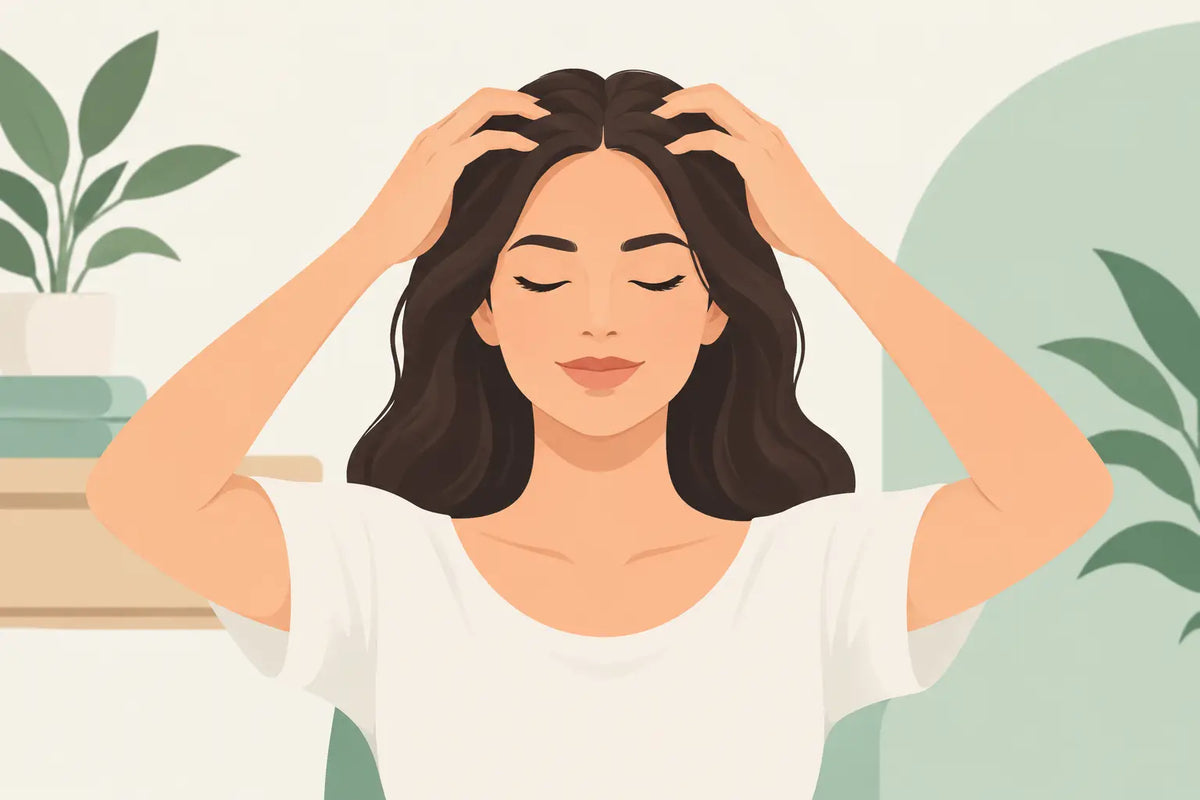
A scalp massage without hair oil can feel like the missing step between washing your hair and applying a product that actually fits your day. No greasy roots, no transfer onto your pillowcase, and no need to plan your schedule around a lengthy rinse-out routine. For people focused on fuller-looking hair and a healthier-looking scalp, that simplicity is not a compromise. It is often what makes daily scalp care easier to maintain.
Oil has a place in some beauty rituals, especially for very dry hair lengths or occasional pre-shampoo treatments. But it is not required for an effective, comfortable scalp massage. Clean fingertips, a thoughtful technique, and a lightweight scalp tonic can create a refined ritual that supports scalp vitality without weighing down your style.
Why Massage Works Without Oil
The purpose of scalp massage is not to coat the scalp. It is to create gentle, controlled movement across the skin. That movement can feel relaxing after a long day, help you become more aware of areas that feel dry or tight, and encourage a more intentional relationship with your scalp care routine.
Hair oil can reduce friction, but it can also leave fine hair flat, make styling more difficult, and create a residue that some people prefer to wash away. If your scalp tends to feel congested, your roots become oily quickly, or you simply dislike a slick finish, oil-free massage is a cleaner option.
There is also a practical advantage: you can do it whenever it suits your routine. A few minutes at your desk before a shower, while getting ready in the morning, or as part of your evening wind-down does not require a separate wash day. Consistency matters more than turning scalp care into a complicated event.
How to Do a Scalp Massage Without Hair Oil
Start with dry hair or hair that is lightly damp after washing. Your fingertips should be clean, and your nails should not lead the movement. Nails can scratch the scalp and make a soothing ritual feel irritating, especially if you already experience sensitivity or flaking.
Use Your Finger Pads, Not Your Nails
Place the pads of your fingers around the hairline, then make small circles without dragging your hair across the scalp. Think of moving the scalp skin gently rather than rubbing the hair itself. Work gradually from the front and temples toward the crown, then down to the area above the neck.
Use light to moderate pressure. A massage should feel pleasant, never sharp or tender. Pressing harder does not make the ritual more effective and can cause unnecessary tangling, particularly with fine, curly, textured, or fragile hair.
Spend extra time where you notice tension, but avoid repeatedly working one small area. Even coverage is the goal. Two to five minutes is enough for a daily practice, while a longer session can be enjoyable when your schedule allows.
Keep the Motion Gentle and Intentional
A helpful rhythm is circular motion, brief pauses, then a slow release. This reduces pulling at the roots and keeps your hands from moving too quickly. If your hair is long, use clips to divide it into sections so your fingertips can reach the scalp instead of catching on the lengths.
You do not need a special brush or tool. Some scalp massagers can be pleasant, but they are optional and should be used carefully. A tool with rigid points may be too stimulating for a sensitive scalp, while silicone tools can collect product residue if they are not cleaned consistently. Your hands are often the simplest, most responsive option.
Add a Lightweight Scalp Tonic, Not a Heavy Oil
If you want more slip or would like your massage to double as a treatment step, choose a water-light scalp formula rather than an oil. The right texture should spread easily through the roots, absorb without a sticky finish, and leave your hair ready for styling.
Apply the tonic in a few sections directly along the scalp, then use your fingertips to distribute it with the same small circular motions. This approach keeps the focus where it belongs: at the scalp, around the appearance of the hair roots, rather than on coating every strand.
RIBOREGEN Scalp Revitalizing Tonic is designed for this kind of daily use. Its lightweight, oil-free formula is powered by 2dDR and includes caffeine, niacinamide, dexpanthenol, and rosemary extract to support a hydrated, refreshed, healthier-looking scalp environment. It is made to absorb cleanly, so a massage can feel like polished skincare for the scalp rather than a messy, rinse-required treatment.
For best comfort, use only the amount your scalp needs. More product is not automatically better. If hair feels damp or heavy after application, reduce the quantity next time and focus on targeted placement along your part and areas of concern.
When Oil-Free Is the Better Choice
Scalp massage without hair oil is especially useful when you wash less often, wear your hair styled during the day, or have a busy routine that leaves little room for overnight treatments. It can also be a better fit for people who use heat styling, wear protective styles, or want to maintain volume at the root.
It depends on your hair and scalp preferences. Someone with very coarse, dry hair may still enjoy a small amount of oil on the mid-lengths and ends, while keeping the scalp massage itself oil-free. Someone with an oily scalp may prefer massage before shampooing or use a fast-absorbing tonic after cleansing. There is no need to choose one ritual forever. The best routine is the one that feels comfortable and stays consistent.
An oil-free approach also makes sense if you use leave-in styling products. Layering oil beneath mousse, dry shampoo, texture spray, or heat protectant can sometimes make roots look heavier than intended. A non-greasy scalp step preserves flexibility in the rest of your grooming routine.
Common Mistakes That Can Make Massage Less Comfortable
The most common mistake is treating the scalp like a surface that needs to be aggressively scrubbed. Vigorous friction can create tangles and leave the skin feeling irritated. Keep the pressure even, and let the scalp move slightly under your fingertips.
Another mistake is massaging over buildup without adjusting your cleansing routine. Massage can distribute existing residue through the roots, so if your scalp feels coated or itchy after several days of styling products, cleanse first. A clean scalp gives a lightweight tonic a better canvas and makes the entire ritual more pleasant.
Finally, do not expect one massage to change the appearance of your hair overnight. The value is in the repeated act of caring for the scalp, maintaining comfort, and using products that support a clean, well-conditioned routine. Cosmetic results vary with hair type, styling habits, and consistency.
Make It a Routine You Will Actually Keep
The easiest time to massage is the time you can repeat. Some people prefer a short morning ritual before styling because it creates a refreshed, awake feeling. Others prefer evening because it signals a pause after work and removes the pressure to rush.
Try pairing it with an existing habit. Apply your scalp tonic after brushing your teeth, after cleansing your face, or before setting out clothes for the next day. A two-minute practice is easier to protect than a perfect 20-minute ritual that only happens once a month.
Pay attention to how your scalp feels over time. You may notice that lighter touch works better after a fresh wash, while a slightly slower massage feels better on days when your scalp is dry or tense. This is personal care, not a performance test.
A clean, oil-free ritual gives your scalp care room to fit real life. Start with gentle hands, a lightweight texture, and a pace you can return to tomorrow. That quiet consistency is where confidence begins.
This article is for general information about cosmetic scalp care and is not medical advice.